From the First Grand Lodge to the Modern UGLE
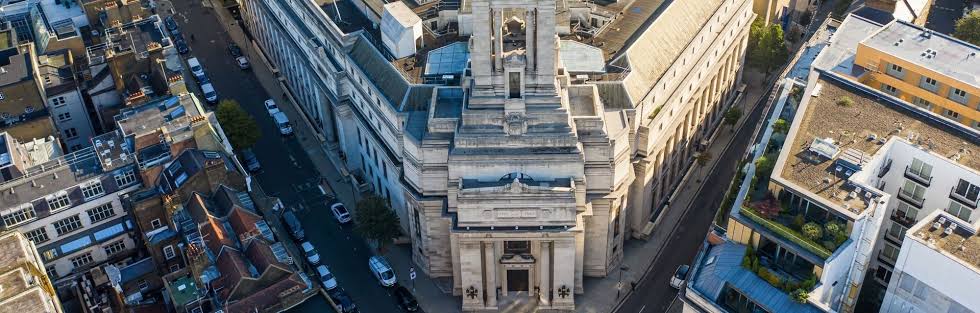
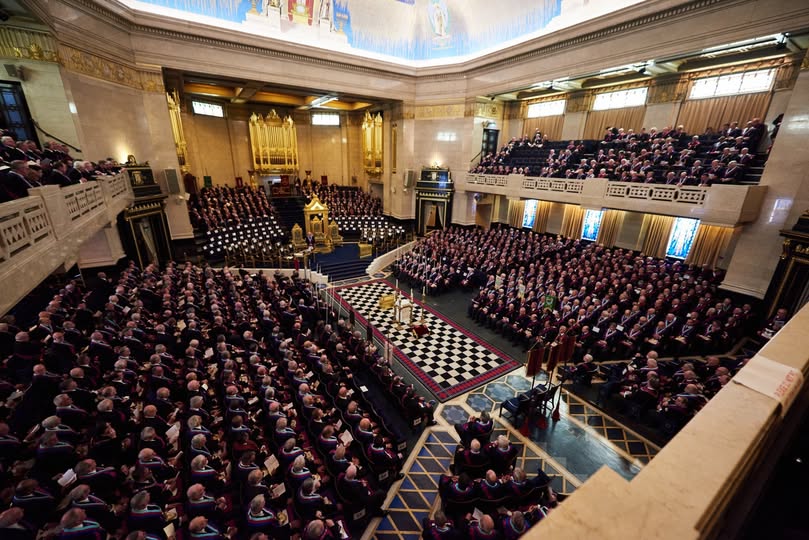
The roots of modern organised Freemasonry trace back to London in the early eighteenth century. Over time, the movement developed a system of Grand Lodge governance that would influence Freemasonry across the world.
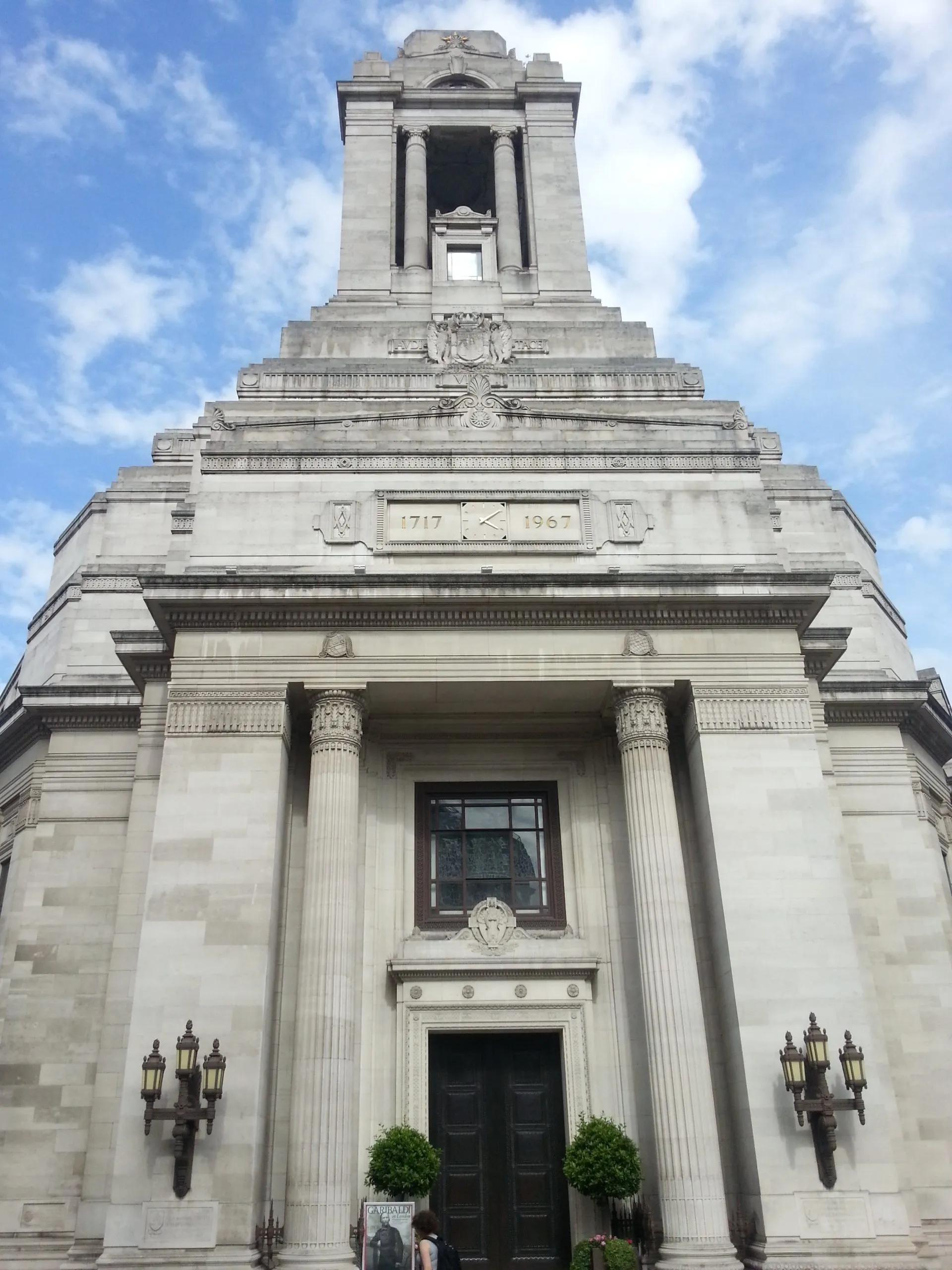
In 1717, four London lodges came together to form what is generally regarded as the first Grand Lodge, marking the beginning of organised modern Freemasonry. During the eighteenth century, differences in practice led to the existence of two English Grand Lodges known as the "Moderns" and the "Antients."
After decades of separate administration, the two bodies united in 1813 to form the United Grand Lodge of England. This union established a common constitutional framework and helped shape the standards of regular Freemasonry recognised by many Grand Lodges around the world.
Key Historical Milestones
- 1717 – Formation of the first Grand Lodge in London.
- 1751 – Establishment of the Antients Grand Lodge.
- 1813 – Union of the Antients and Moderns to form UGLE.
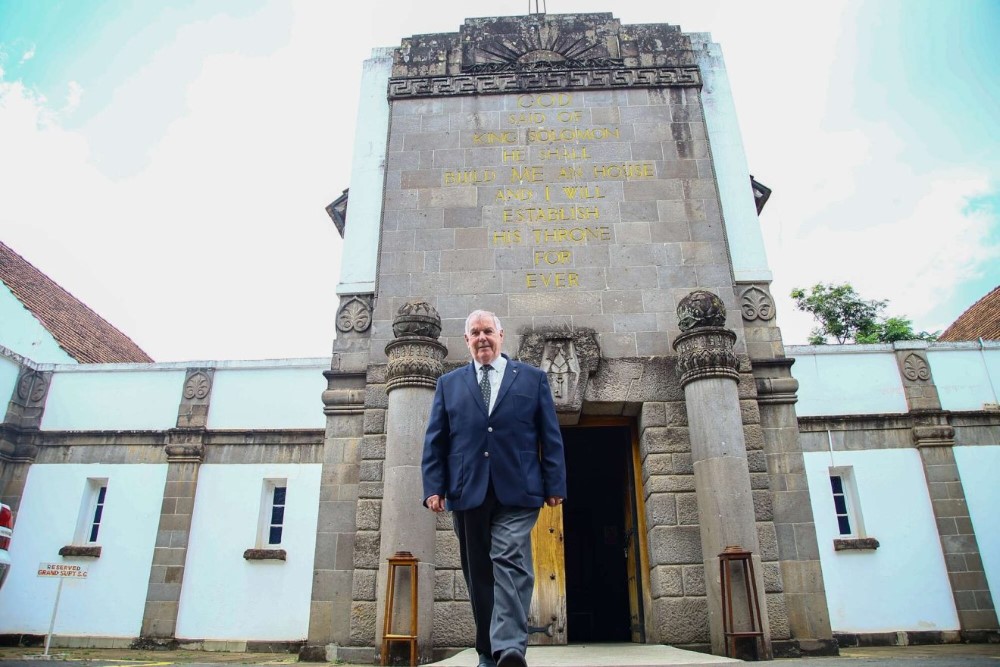
- 19th Century – Expansion of English Freemasonry throughout the British Empire and overseas territories.
- Present Day – UGLE continues to support regular Freemasonry, charitable work, education, and public understanding of the Craft.
UGLE Today
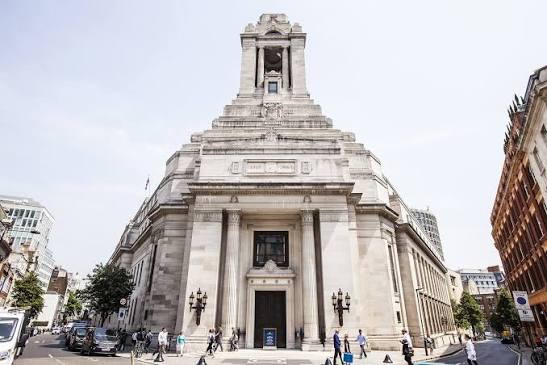
Today, UGLE remains one of the largest and most influential Grand Lodges in the world. It works with recognised Grand Lodges internationally, supports extensive charitable initiatives through Masonic charities, promotes openness and understanding, and continues to preserve the traditions and values that have guided regular Freemasonry for more than three centuries.